
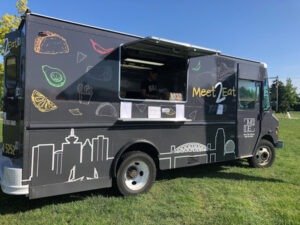
Tips for First-Time Food Truck Owners
The food truck industry has experienced tremendous growth in recent years. As a result, entrepreneurs and food lovers continue to show strong interest in this exciting business opportunity. Food trucks offer affordable meals, unique menu options, and convenient service, which makes them extremely popular in many cities today.
However, competition in the food truck industry continues to increase. Therefore, first-time food truck owners must develop strong strategies to stand out and succeed.
Understand the Food Truck Industry
Before starting a food truck business, it is important to understand how the industry has evolved. Food trucks once focused mainly on simple street food. Today, however, many trucks serve gourmet meals, international cuisine, and creative menu items.
Modern customers often look for exciting flavours and unique dining experiences. Consequently, food truck owners must stay creative and continue adapting to changing customer preferences.
Additionally, successful food truck operators pay close attention to food trends, customer feedback, and local competition.
Create a Unique Menu and Concept
A strong concept helps food trucks stand out in a crowded market. Therefore, owners should focus on offering something different and memorable.
For example, a food truck may specialize in gourmet tacos, Mediterranean wraps, fusion dishes, or locally inspired comfort food. Unique recipes and creative menu ideas often attract attention and encourage repeat business.
At the same time, owners should keep their menus practical and efficient. Preparation time, ingredient availability, kitchen space, and food costs all play important roles in long-term success.
Research Your Target Market
Market research helps food truck owners understand their customers and competitors. Before launching a truck, owners should study the local market carefully and identify potential opportunities.
For instance, some areas may already have many burger trucks but very few healthy or vegetarian options. As a result, identifying gaps in the market can help a new business stand out.
In addition, understanding customer preferences helps owners create stronger menus and marketing campaigns. Business owners should also gather customer feedback regularly and adjust their strategies when necessary.
Build a Strong Business Plan
Every successful food truck business starts with a detailed business plan. A strong plan helps owners organize goals, manage finances, and prepare for future growth.
Typically, a food truck business plan should include:
- Market research
- Marketing strategies
- Startup costs
- Financial projections
- Daily operations
- Equipment expenses
- Staffing plans
Furthermore, careful budgeting helps owners prepare for both startup expenses and ongoing operational costs.
Explore Funding Options
Starting a food truck business requires financial planning. Fortunately, entrepreneurs can choose from several funding options.
Many owners use personal savings or small business loans to launch their trucks. Others seek funding through investors, crowdfunding campaigns, or partnerships.
Before choosing a funding method, owners should carefully review repayment terms, interest rates, and overall business risks.
Choose the Right Location
Location plays a major role in food truck success. Busy areas with strong pedestrian traffic often generate more sales and visibility.
For example, office districts, parks, festivals, breweries, and community events often provide excellent opportunities for food trucks. Additionally, owners should research local peak hours and event schedules to maximize customer traffic.
Networking with other food truck operators and participating in local events can also help owners discover profitable locations.
Develop Strong Branding and Marketing
Strong branding helps food trucks build recognition and attract loyal customers. A memorable logo, professional truck design, and consistent social media presence all help strengthen a business image.
Additionally, social media marketing plays a major role in food truck success today. Platforms such as Instagram and Facebook allow owners to share photos, announce locations, and promote daily specials.
Food truck owners can also increase visibility by:
- Partnering with local businesses
- Participating in community events
- Offering promotions
- Encouraging online reviews
- Sharing customer photos and videos
As a result, businesses can build stronger customer relationships and increase brand awareness.
Stay Flexible and Continue Learning
The food truck industry changes quickly, so successful owners stay flexible and open to new ideas. Customer trends, food preferences, and technology continue to evolve every year.
Therefore, owners should regularly evaluate their menus, pricing, customer feedback, and marketing strategies. Small improvements over time can lead to long-term success.
Although running a food truck requires hard work and planning, the business can become extremely rewarding. With the right concept, strong marketing, and consistent service, first-time food truck owners can build a successful and profitable business.